

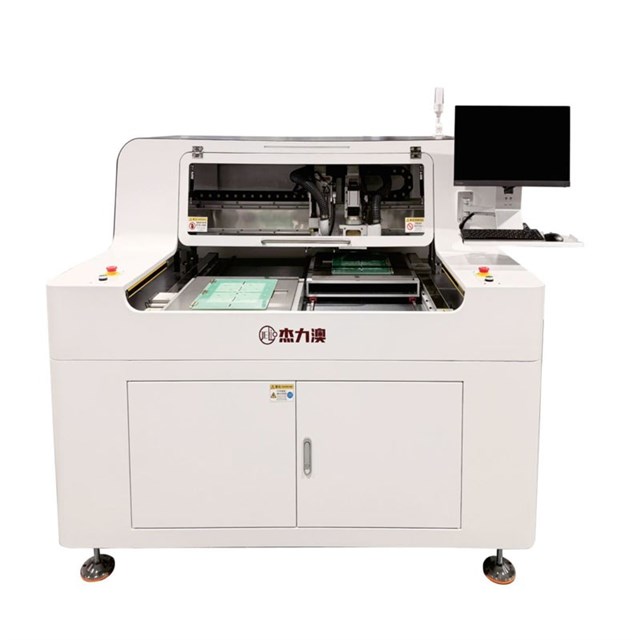
TECHNICAL SPECIFICATIONS
| Model | JLO-CXJ3235/JLO-CXJ4550 |
| Number of Workstations | Dual Station |
| Max. PCB Depaneling Size | 320mm(X)*350mm(Y)(per station)/450mm(X)*500mm(Y)(per station) |
| Machine Travel | 950mm(X)*700mm(Y)*100mm(Z)/1250mm(X)*900mm(Y)*100mm(Z) |
| PCBA Component Height | Upper:10mm Lower:45mm |
| Repeatability | ±0.02mm |
| Cutting Accuracy | ±0.05mm |
| Repeat Cutting Accuracy | ±0.02mm |
| Cuttable PCBA Thickness | 0.5~4mm |
| Milling Cutter Tool Range | φ0.5~3mm |
| Saw Blade Tool Range | Saw blade thickness:0.3mm; diameter:100mm |
| Spindle Speed | Milling cutter:60000rpm; Saw blade:8000rpm |
| Spindle Power | 400W |
| Mark Compensation | Camera recognition & positioning, automatic compensation |
| Cutting Speed | 0~100mm/sec |
| Moving Speed | XY:1000mm/s, Z:500mm/s |
| Milling Cutter Cutting Function | Straight line, L-shape, U-shape, circle, arc, etc |
| Saw Blade Cutting Function | Straight line |
| Transfer Method | Servo drive |
| Camera Pixel | 1.3MP |
| Safety Protection | Proximity switch installed on upper front door; safety light curtain installed at product loading area |
| Milling Cutter Replacement Method | Manual tool change / Automatic tool change (optional) |
| Saw Blade Replacement Method | Manual blade change |
| Main Unit Power Specification | AC220V 50HZ 3.0KW |
| Dust Collector Power Specification | AC380V 50HZ 2.2KW |
| Dust Collection Method | Upper dust collection |
| MES Connection | MES: CSV text grabbing (standard); barcode scanner (optional) |
| Machine Dimensions | 1480mm(L)*1275mm(W)*1570mm(H)/1780mm(L)*1475mm(W)*1570mm(H) |
| Machine Weight | 530KG/610KG |
EQUIPMENT PERFORMANCE
This machine mainly uses a high-speed rotating saw blade to cut multi-piece PCBA according to the pre-programmed path, replacing manual breaking or cutting defects such as burrs caused by V-UCT depaneling machines. It effectively reduces the stress generated during depaneling, and the cut surface is smooth and burr-free. With high-precision saw blades, it achieves micron-level cutting, reduces the risk of component damage, improves product quality, and lowers the scrap rate.
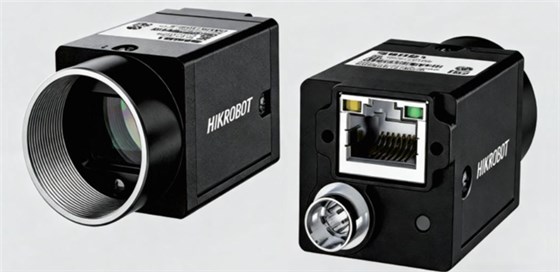
A high-pixel color CCD camera identifies Mark points for positioning, monitors and corrects the cutting path in real time. Marks can be positioned four times, reducing the probability of downtime due to failed Mark detection. Programs on the left and right tables can be copied to each other.
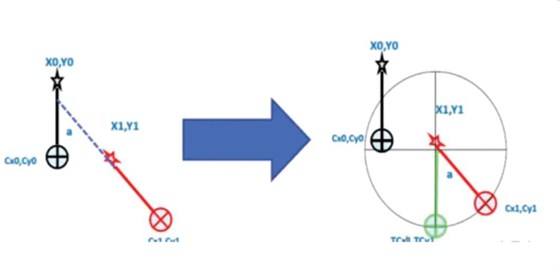
After Mark compensation, the blade angle is automatically adjusted to prevent the cutting path from shifting and damaging the board when the cutting line and the saw blade angle are inconsistent.
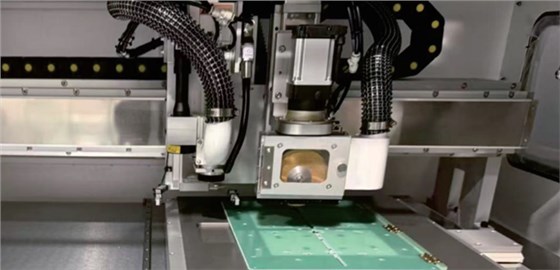
The dust-proof module is adopted for the entire machine motion structure to prevent dust from adhering to the guide rails and ball screws during long-term operation, which may cause hidden dangers such as reduced accuracy and component damage.
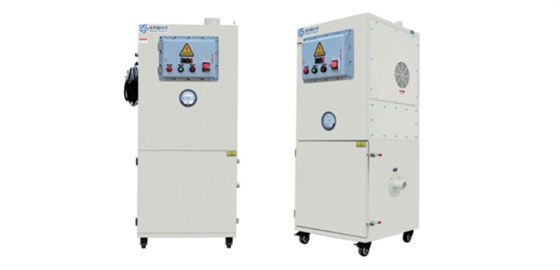
Upper dust collection uses a negative pressure system to instantly absorb dust and debris generated during board cutting. The combination of the dust collection hood and suction components enables the collection of large particles and adsorption of surface dust, avoiding secondary cleaning.
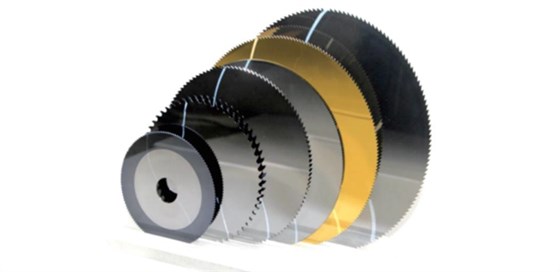
The cutting life of the saw blade can be set according to its actual service life. The software will record the usage length of the tool and provide a timely replacement reminder.
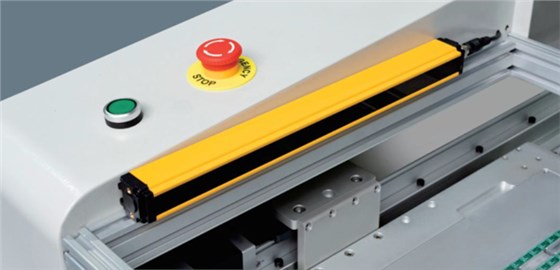
Safety light curtains are installed at the PCBA inlet and outlet positions. The bottom station will not move while the operator is loading or unloading products. Induction switches are fitted on the front and rear observation doors; the equipment will stop automatically when the doors are opened.